The ROI of Investing in Catering Business Software
Running a successful catering business is not just about great food. It also means managing events, clients, staff, and logistics. For many catering companies, juggling spreadsheets, emails, and manual processes can lead to errors, missed opportunities, and wasted time.
That’s where catering business software comes in. Investing in the right platform not only streamlines operations but also delivers a measurable return on investment (ROI) for your catering company.
In this blog, we’ll explore how catering management software can boost efficiency and increase revenue. It can also transform your workflow, with real-world examples and financial benefits.
Why Catering Businesses Need Software
Whether you run a small catering company or manage a larger catering operation, organization is key. Traditional methods like spreadsheets and paper contracts may work when you start. But they become inefficient as your business grows.
Catering software allows businesses to automate repetitive tasks such as:
- Scheduling and managing events
- Tracking client communications
- Generating invoices and contracts
- Managing inventory and staff assignments
By centralizing these processes in one catering management system, caterers can reduce errors and save time. They can also free up resources to focus on what matters most: delivering memorable events.
Financial Benefits of Catering Business Software
The ROI of investing in a catering business software is most visible in the financial improvements it drives. Here are some key ways software translates into real money saved or earned:
1. Reduced Administrative Costs
Manual data entry, follow-ups, and double-checking schedules can eat up hours each week. Catering software programs can handle tasks that once required a full-time employee automatically, reducing labor costs.
For example, a small catering company switched to online catering software.
After the change, it saved 15 hours a week on admin tasks. At an average staff cost of $20 per hour, that equates to $1,200 in weekly savings—over $60,000 annually.
2. Improved Event Management and Accuracy
Errors in event planning, like booking a venue twice or miscommunicating with staff, can be costly. They can hurt your budget and your reputation. Catering event software minimizes these mistakes by keeping all client information, event details, and staff assignments in one place.
A mid-sized catering company saw 30% fewer event mishaps after using a catering management system. This led to higher client satisfaction and more repeat bookings.
3. Faster Payments and Better Cash Flow
Catering business software often includes billing, payment tracking, and CRM integration. This means the system sends invoices automatically, clients can pay online, and you can track outstanding balances more easily.
One caterer cut the average invoice payment time from 45 days to 15 days. This improved cash flow a lot. It did not require more marketing or sales work.
Operational Advantages That Boost ROI
While financial gains are easy to quantify, operational benefits are equally important. Streamlined operations lead to happier clients, more bookings, and higher profitability.
1. Centralized Client Management
Using a catering CRM or catering business software, you can track every client interaction. You can track it from the first inquiry to post-event follow-up. This ensures you miss no detail and deliver a professional, seamless experience that encourages repeat business.
2. Efficient Staff Scheduling
Coordinating multiple staff members across multiple events can be a logistical nightmare. Catering management software automates scheduling. It alerts staff about changes and ensures optimal event coverage. This saves hours of manual planning each week.3. Inventory and Resource Management
A catering business software can track inventory levels, monitor supply usage, and even generate purchase orders. This reduces waste, prevents shortages, and ensures every event runs smoothly—again contributing directly to ROI by lowering costs.
Case Studies: Real-World ROI Examples
Case Study 1: Small Catering Business Upgrade
A small catering company switched from spreadsheets to catering software for small business. Within six months, they reported:
- 25% increase in bookings because of faster, more accurate proposals
- 20% reduction in staffing hours spent on admin work
- Significant improvement in client satisfaction, leading to more referrals
The company calculated that the software paid for itself within the first year.
Case Study 2: Growing Catering Company Streamlines Operations
A mid-sized catering company implemented a full catering platform with integrated event management software. Results included:
- Increase in revenue because of fewer scheduling conflicts and missed opportunities
- Faster invoice processing, improving cash flow
- Better reporting, allowing management to identify profitable event types and allocate resources more effectively
This demonstrates how operational improvements translate directly into financial ROI.
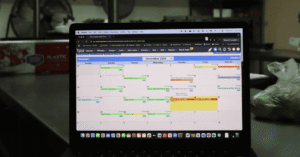
Choosing the Right Catering Software
With so many options on the market, it’s important to select the right solution for your business. Consider the following:
- Scalability: Will it grow with your business?
- Ease of use: Can staff quickly learn the system?
- Integration: Does it work with your existing accounting, email, and marketing tools?
- Client experience: Can clients easily book and pay online?
Some top categories to explore include party planning software, online catering software, and catering programs for your business. Choose based on your size and needs.
Conclusion
Investing in catering business software is no longer a luxury. It is a necessity for caterers who want more efficiency, lower costs, and higher revenue. The ROI isn’t just in the numbers—it’s in happier clients, more streamlined operations, and the freedom to focus on growing your business.
Whether you run a small catering company, you may need catering software for small businesses. If you manage a larger team, you may need a powerful catering management system. The right software can improve your workflow. It can save money and help your business grow in a competitive market.